Why Early Probe Flex-Sensitivity Often Signals Cable-Path Fatigue Before Full Failure
If flexing the probe path changes stability, the cable is often warning you early before a hard outage arrives.
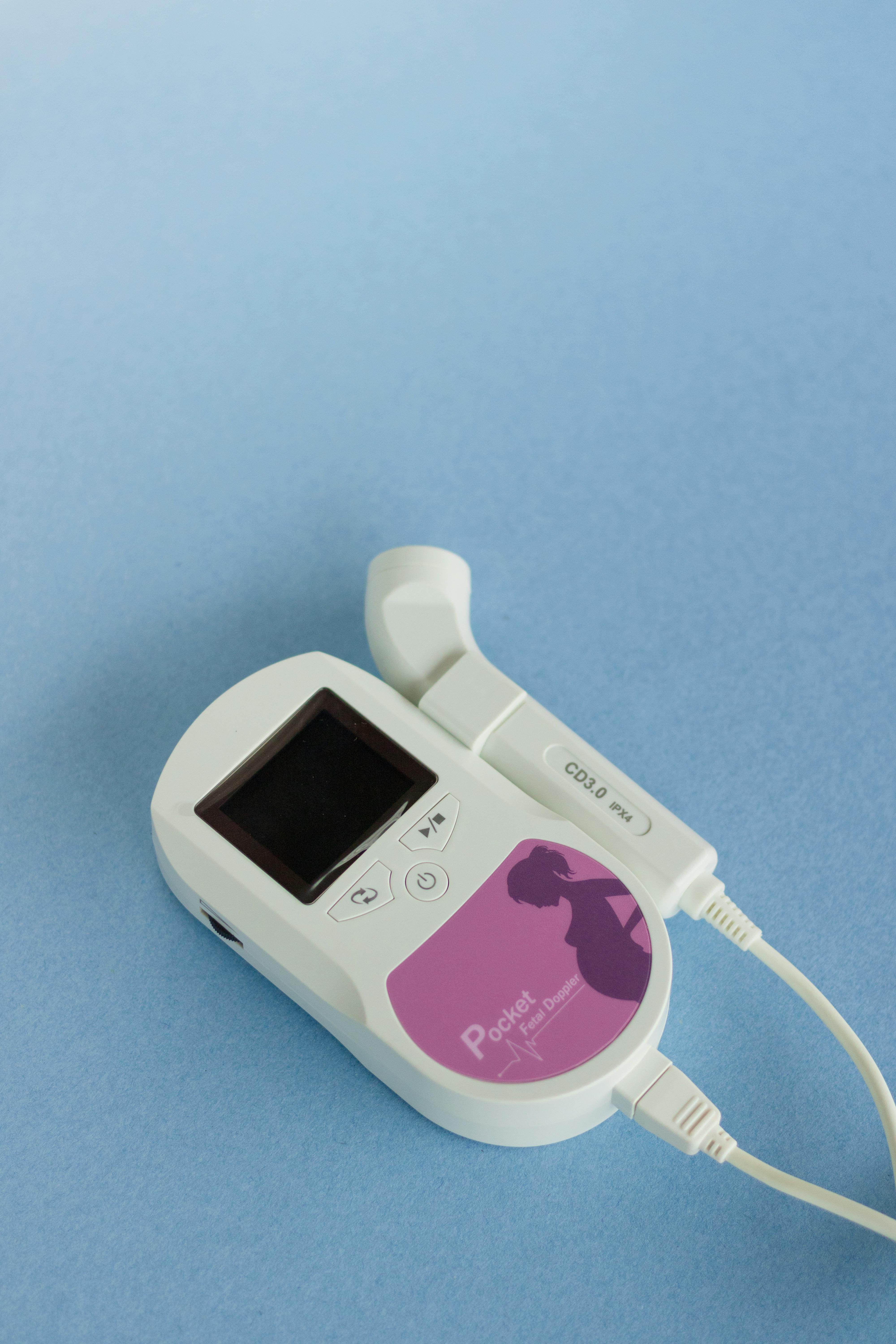
Why Early Probe Flex-Sensitivity Often Signals Cable-Path Fatigue Before Full Failure
Flex-sensitivity is one of the most useful early warning signs in probe service. If image stability, recognition, or signal confidence changes when the cable is bent or supported differently, the probe path may already be degrading even though the system still works much of the time.
What this failure pattern usually looks like
The probe behaves acceptably until the cable is flexed, routed another way, or handled during routine movement. Then the system begins to show artifacts, brief recognition loss, or unstable output that disappears again when the cable position changes.
Why the visible symptom can mislead engineers
Because the symptom comes and goes, teams may treat it as incidental handling noise. But repeatable flex-sensitive behavior is often the stage where conductor fatigue, shielding damage, or connector-side weakness is already becoming service-relevant.
What to inspect first
Compare the same probe across different cable positions and support conditions. Then compare with other probes on the same system to decide whether the weak layer is cable-side or interface-side.
Why earlier correction matters
Flex-sensitive faults become harder to read once they grow into constant instability. Catching them early keeps the diagnosis narrower and cheaper.