Why Early Strain Near The Probe Tail Is Often The Most Actionable Clue Before Image Loss Becomes Constant
Small strain-linked instability near the probe tail often gives the cleanest early clue that a serviceable path is already weakening.
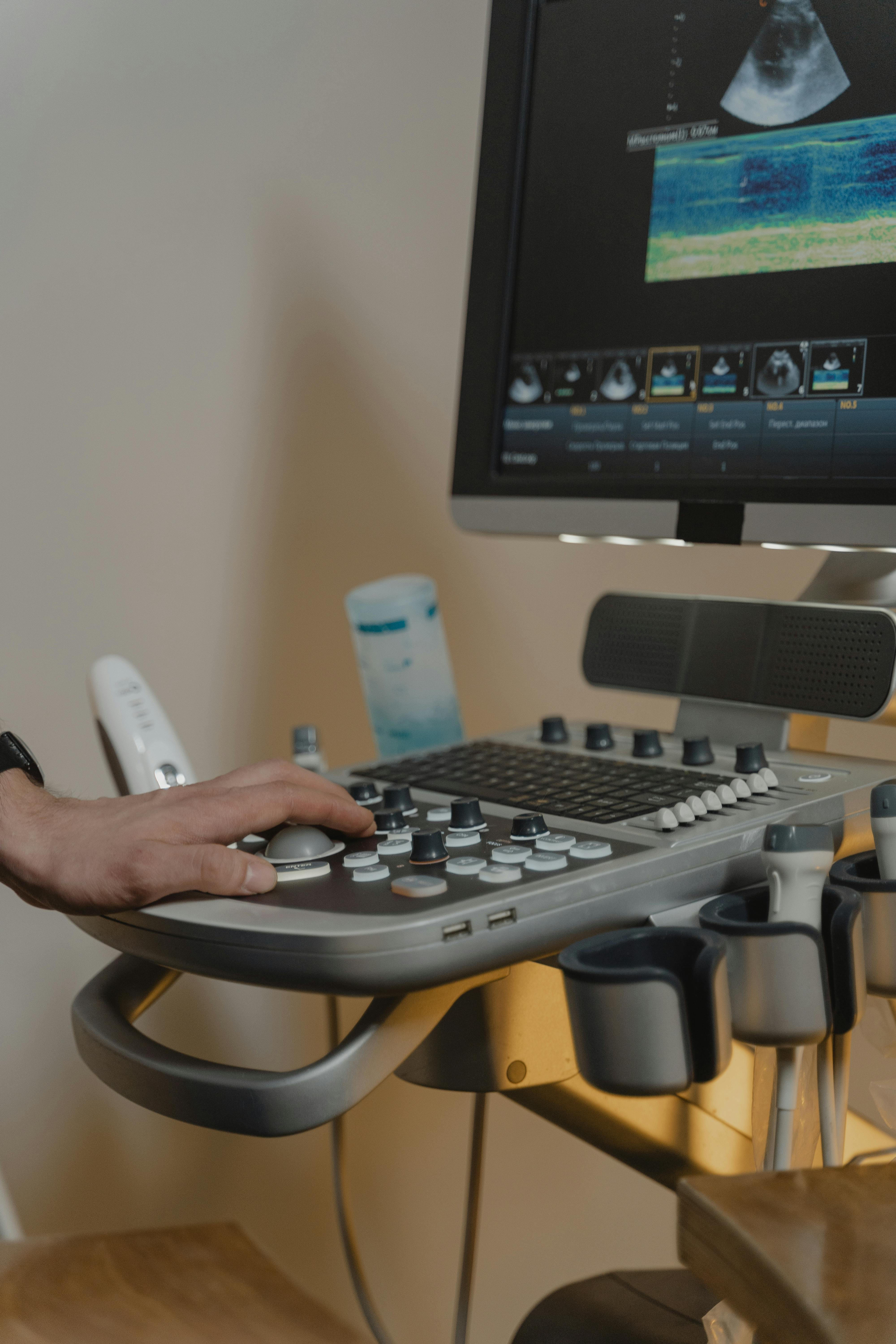
Why Early Strain Near The Probe Tail Is Often The Most Actionable Clue Before Image Loss Becomes Constant
Small strain-linked instability near the probe tail often gives the cleanest early clue that a serviceable path is already weakening.
Probe-tail strain gets underestimated because the image usually comes back. But when signal confidence changes with ordinary movement near the tail, the system is often handing you an early, actionable clue before the failure becomes constant enough to erase its own origin.
Recommended replacement option: SPARE PART TB 2 PROBE CONNECTOR by GE Healthcare
What this handling or connector-side symptom usually means
The weak behavior appears during bending, support changes, or repeated movement near the tail or connector transition. That suggests the vulnerable layer is living in the path that absorbs strain, not necessarily in the scan head itself.
Why the probe can still seem usable while the path is already weak
Intermittent recovery makes the probe feel “mostly fine.” But service-wise, that often means the path is in the best possible stage for clean diagnosis, not that it is safe to ignore.
What to compare before blaming the whole probe or the system port
Check whether the symptom appears at the same bend zone and whether another probe remains stable under the same port conditions. The cleaner the strain dependency, the stronger the argument for a cable-side replacement path.
Which replaceable path this article should naturally lead to
When tail strain predicts instability, the article should lead naturally toward cable-path or connector-path replacement logic rather than broad system theory.
Recommended Products
If you need replacement parts or related equipment during diagnosis and repair, these links may help: