Why Probe Cable Strain Near the Handle Creates Intermittent Dropouts Before Total Failure
Probe cable strain near the handle can create intermittent ultrasound dropouts long before the cable fails completely. Here is what that pattern looks like.
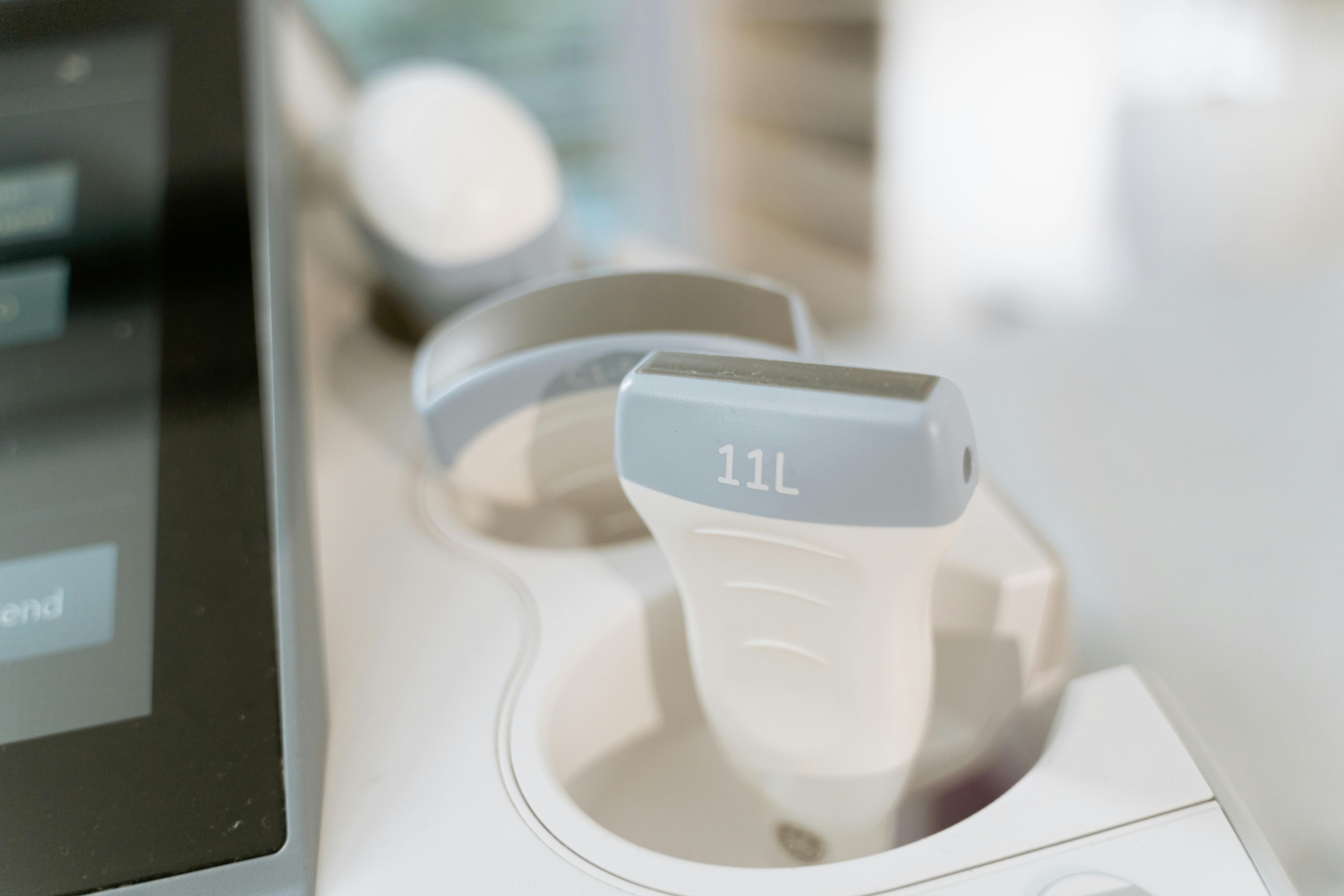
Probe failures do not always begin as total cable breaks or obvious connector damage. In many field cases, the first unstable behavior starts much closer to the handle, where repeated bending, twisting, and repositioning gradually weaken the cable path without creating a clean open failure.
That is why these faults are so frustrating. The probe may still image normally for part of the scan, then show dropouts, signal instability, or intermittent loss when the cable is moved slightly or the handle angle changes under normal use. Because the probe still works part of the time, teams often keep testing around it until the failure becomes much worse.
Recommended replacement option: PROBE CABLE HOOK by Mindray North America
What this failure pattern usually looks like
A common pattern is that image quality drops only when the operator changes grip, repositions the probe, or lets the cable rest in a different direction. The system may recover briefly, then fail again on the next movement. Over time, the unstable region becomes easier to trigger and the symptom starts appearing even during routine handling.
Why the handle-side strain zone matters
The cable area nearest the handle takes repeated mechanical stress during real scanning work. It bends under wrist motion, storage habits, cable wrapping, and transport movement. Even before the cable fails completely, internal conductors or support layers can begin weakening enough to create unstable signal behavior that imitates broader probe trouble.
What to inspect first
Check whether the dropout follows cable angle changes, gentle movement near the strain-relief area, or repeated repositioning during normal scanning. If the symptom becomes easier to reproduce when the cable near the handle is flexed, the problem is less likely to be random and more likely to be a developing cable-path failure.
Why earlier replacement helps
Once a probe reaches this intermittent stage, every additional scan session increases the chance of inconsistent testing, wasted service time, and eventual total failure during active use. Replacing the weak cable-side path earlier is often cheaper than waiting for the fault to become obvious enough to stop workflow completely.
Recommended Products
If you need replacement parts or related equipment during diagnosis and repair, these links may help: