Why Probe-Side Cable Support Wear Can Distort Routine Ultrasound Stability
Probe-side cable support wear often shows up as trust loss before total failure. Here is how routine handling can expose the weaker path earlier.
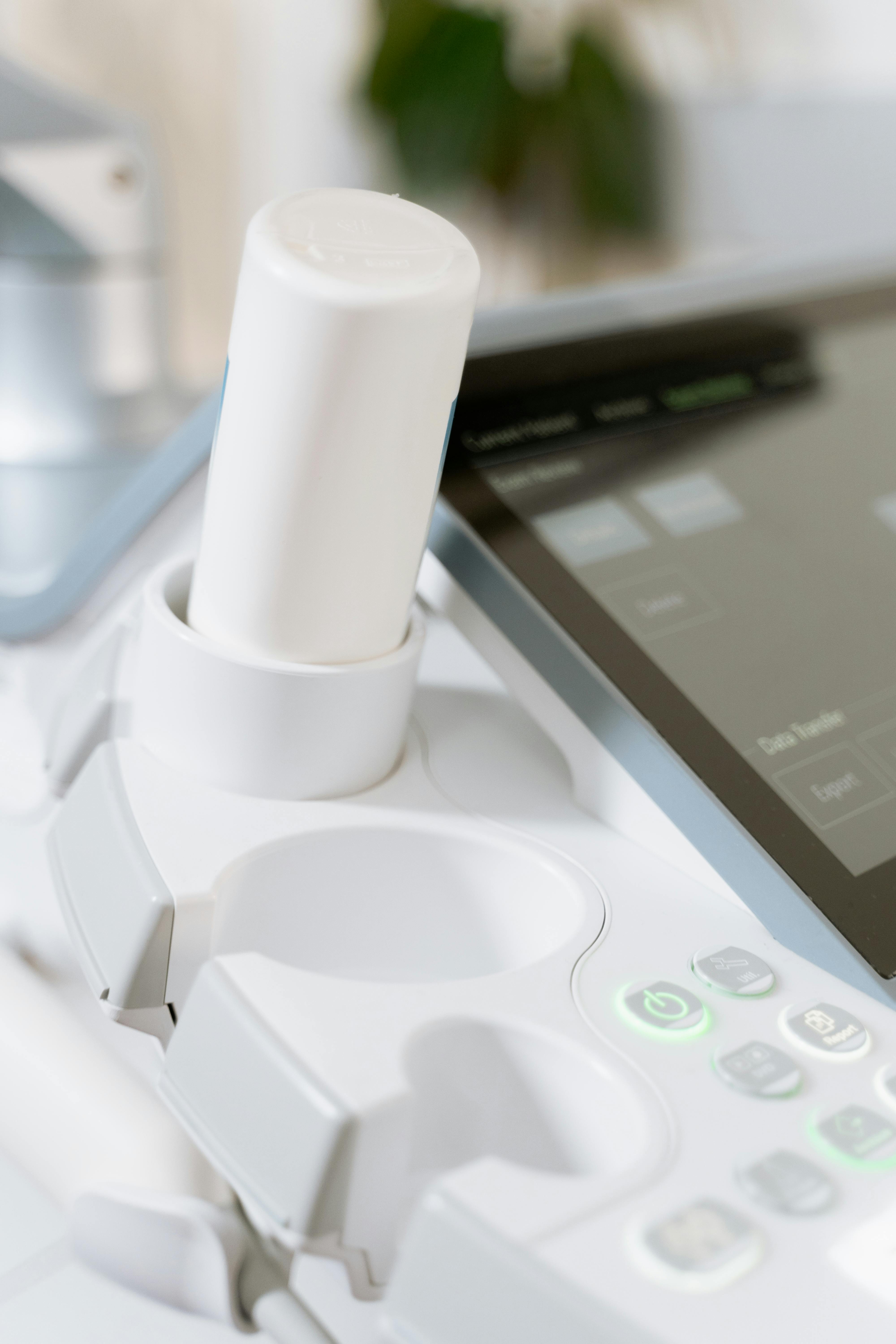
Probe-side cable support wear usually shows up as trust loss before total failure. A system that still images and boots normally can start feeling inconsistent once movement, repositioning, or repeated scanning begins stressing the weaker path behind the probe connection.
What this failure pattern usually looks like
Operators often notice that the machine feels stable at first and then becomes less convincing during ordinary use. A slight change in cable position alters behavior, one session feels normal while the next feels intermittent, or repeated handling begins exposing response changes that should not be there on a healthy probe path.
Why the visible symptom can mislead engineers
Because the instability appears during live use, teams often suspect broader system unreliability or a vague connector problem elsewhere. But cable-support wear accumulates quietly through repeated handling, transport, and strain. By the time routine workflow starts feeling inconsistent, the stressed support path may already be the clearest explanation.
What to inspect first
Inspect the cable-support area, strain points, routing, and whether the symptom changes under light repositioning. If repeated handling or movement affects confidence more than cold-start checks do, the cable-side support path deserves much earlier suspicion.
Why earlier correction matters
Once support wear begins undermining ordinary scanning workflow, diagnostics expand outward unnecessarily. Teams prove larger fault theories, operators lose trust, and time gets burned on symptoms that never explained the handling pattern very well. Earlier repair is usually cheaper than waiting for the path to fail in a more dramatic way.
Recommended replacement option: PROBE CABLE HOOK (SIEMENS/FRU) by Mindray North America