Why Probe Signal Noise During Movement Often Starts in the Cable Transition Zone
Probe signal noise during movement often starts in the cable transition zone, not in random scanner behavior. Here is how to read the pattern early.
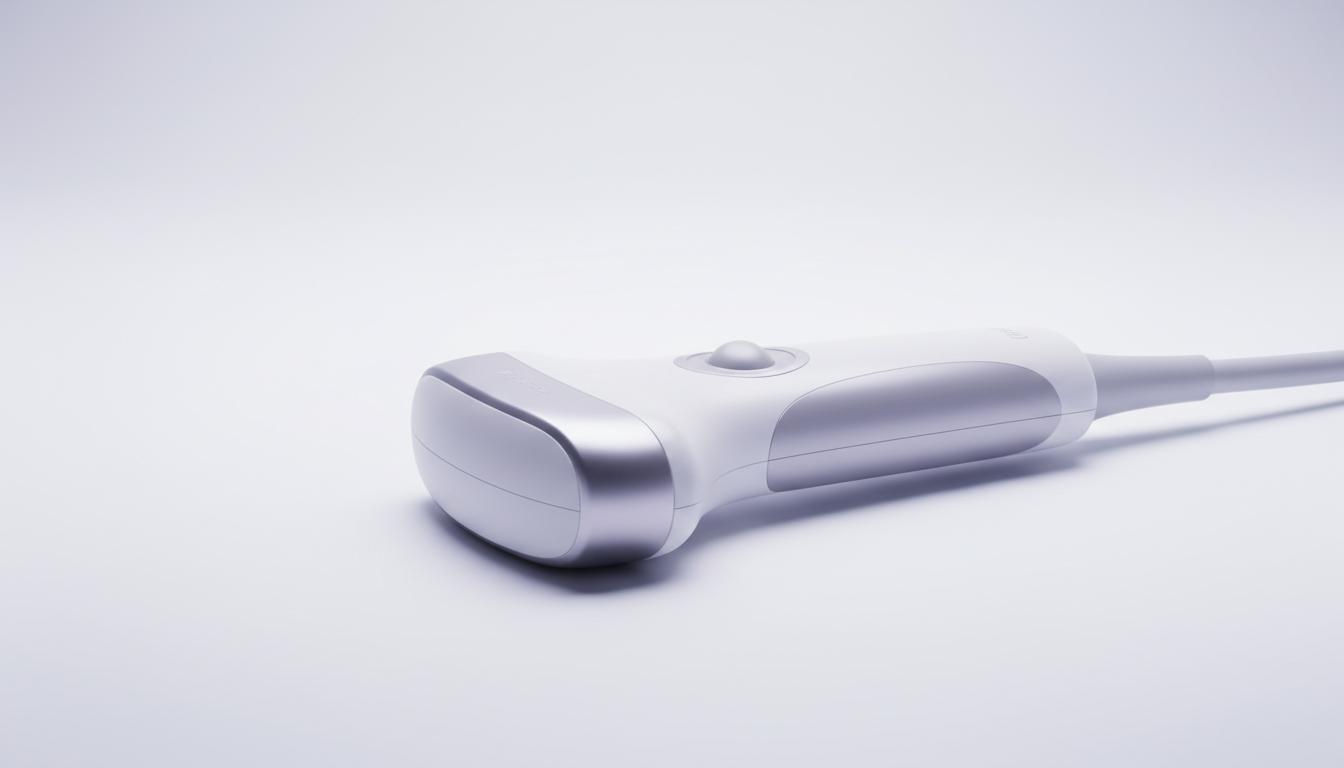
Probe signal noise that appears only during movement is easy to blame on the scanner or on vague intermittent behavior. In real service work, the trouble often begins in the cable transition zone near the handle or connector, where repeated flexing gradually weakens the path before total failure becomes obvious.
That is why movement-related noise is such an expensive symptom. The probe may still work during static checks, then become unstable once normal handling resumes. Because the problem is not fully dead, teams often keep testing around it instead of moving the cable path higher on the checklist.
Recommended replacement option: PROBE CABLE HOOK by Mindray North America
What this pattern usually looks like
A common sequence is stable imaging while the probe is held still, followed by noise, dropout, or unstable response after grip changes or cable movement. The fault may disappear again once the cable settles, which makes it look random even when it is mechanically repeatable.
Why the transition zone matters
The transition area absorbs repeated bending and strain during everyday scanning. Internal weakening there can affect signal stability long before the cable breaks cleanly.
What to inspect first
Check whether the symptom follows movement near the handle, connector tail, or short high-flex cable section. If the image changes with gentle mechanical stress, the cable transition zone deserves early suspicion.
Why earlier replacement saves time
Once movement starts triggering noise, every later scan becomes harder to trust. Replacing the weak cable-side path earlier is usually cheaper than waiting for a full failure in active use.