Why Repeated Panel-Side Cable Stress Can Trigger Inconsistent Ultrasound Input Behavior
Panel-side cable stress can create unstable ultrasound input behavior before a full front-end failure. Here is how to read the pattern earlier.
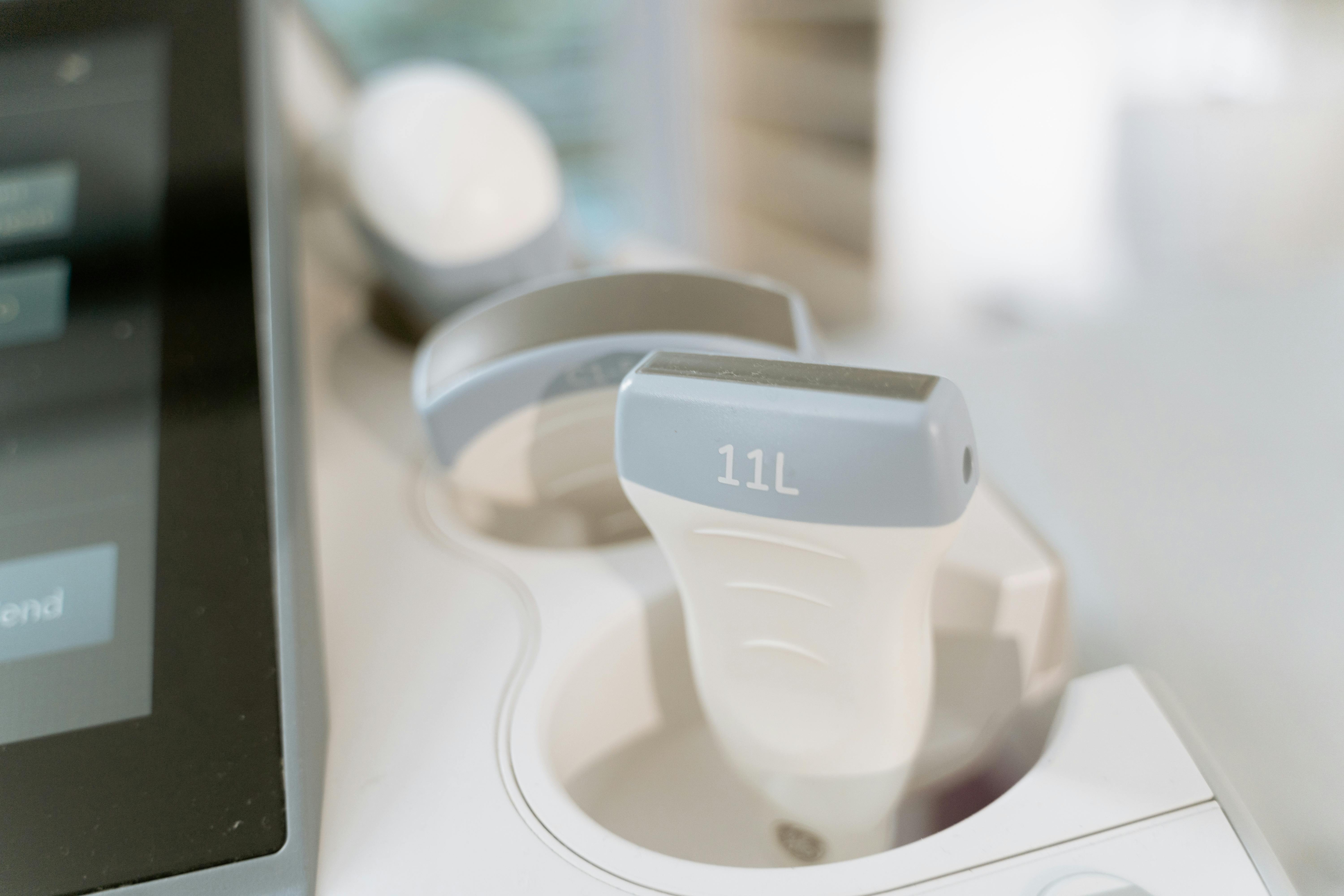
Not every control problem begins inside the panel itself. In many ultrasound systems, repeated stress on the short cable path feeding the panel assembly can create unstable input behavior long before the machine shows a complete front-end failure. Operators notice delayed response, uneven key registration, or mode-switch hesitation, while engineers may start chasing deeper console logic too early.
This is a common trap because the machine is still alive enough to look usable. The panel lights up, menus appear, and some controls still respond correctly. But once the cable path near the panel side begins weakening, the system can behave unpredictably under routine workflow transitions.
Recommended replacement option: PROBE CONNECTOR ASSEMBLY 5661387-3S by GE Healthcare
What this failure pattern usually looks like
A common pattern is that one group of operator actions begins feeling unreliable while the machine otherwise seems normal. The response may improve briefly after repositioning, pressure change, or restart, which makes the fault look intermittent and difficult to pin down. In reality, the unstable section may be sitting in the stressed transition path rather than in the visible control surface itself.
Why cable-side wear is easy to underestimate
Repeated movement, vibration, transport, cleaning, and normal handling all load the cable and connector transition zones. Even when the exterior still appears intact, internal conductors, shielding continuity, or contact stability can already be drifting. That creates behavior that looks like software lag or panel fatigue when the real weakness is still in the cable-side path.
What to inspect first
Inspect the short transition zone, connector seating, strain-relief condition, and any signs that response changes under light movement or repeated workflow use. If the symptom can be influenced by handling, pressure, or warm-state repetition, the cable and connector path should rise quickly on the checklist.
Why earlier replacement matters
Once an unstable transition path begins affecting control behavior, teams can waste a lot of time testing front-panel parts, deeper boards, and software assumptions one by one. Replacing the worn cable-side or connector-side section earlier often saves far more time than trying to prove a larger system fault that is not actually there.