Why Repeated Probe Handling Stress Can Reveal Cable Failure Before Signal Loss Becomes Obvious
Probe cable problems often develop as handling-related instability first, long before the failure becomes a full signal loss event.
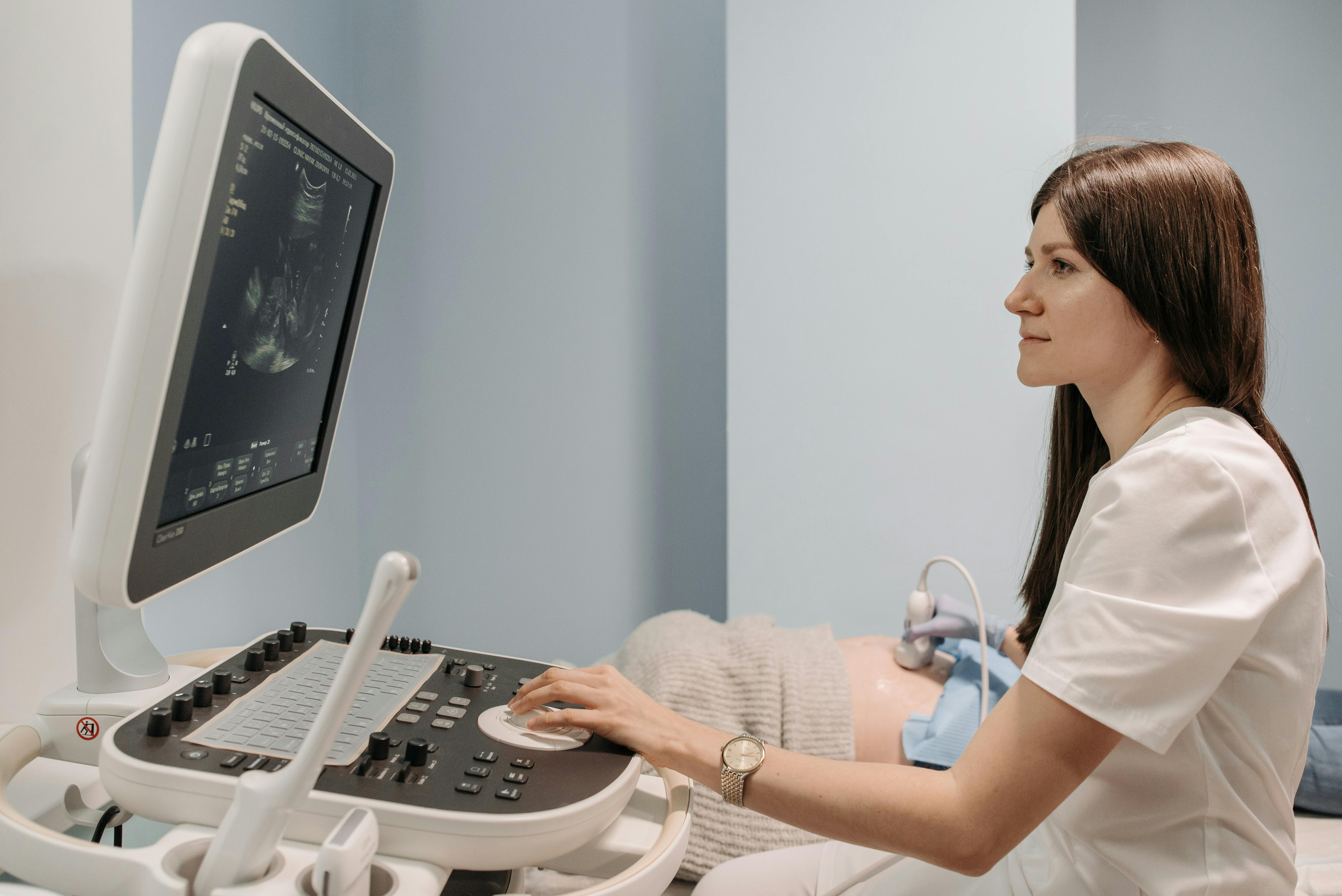
Why Probe Cable Wear Can Distort Routine Ultrasound Stability Before a Hard Failure Appears
Probe cables are handled constantly during routine ultrasound use, which is exactly why early deterioration is so easy to normalize. A cable that still passes signal most of the time may already be introducing intermittent instability through repeated flexing, shielding fatigue, or connector-side stress. When users report that image quality, probe recognition, or routine scan consistency seems to drift rather than fail outright, cable wear should be treated as a meaningful diagnostic clue rather than a cosmetic nuisance.
What this failure pattern usually looks like
In the field, probe cable wear rarely begins as a complete outage. Instead, teams often notice light but persistent instability. A probe may work normally during one exam and then show dropouts, brief artifacts, inconsistent recognition, or handling-sensitive image changes during the next. These symptoms are especially easy to misread because they can disappear when the cable is repositioned or when the system is restarted.
Why the visible symptom can mislead engineers
The most common mistake is assuming the entire issue lives only in the probe head or only in the system port. In reality, repeated cable bending, strain near the connector, and gradual shielding damage can create a symptom pattern that overlaps with connector wear, front-end instability, or port-side signal integrity issues. That overlap is what makes cable-related instability so deceptive during early stages.
What to inspect first
Start with handling sensitivity. If the symptom changes when the cable is flexed, rotated, supported differently, or seated again, that strongly suggests a path-level weakness rather than a random imaging artifact. Then compare the behavior across probes and ports. If one cable repeatedly triggers the instability while others remain stable, the cable path becomes the leading suspect. If multiple probes show similar behavior on one port, the system-side interface deserves equal attention.
Why earlier correction matters
Delaying action on cable wear often increases both diagnostic confusion and downstream cost. A marginal cable can produce repeat visits, false suspicion toward unrelated boards, and avoidable downtime before the actual weak path becomes obvious. Catching that instability early gives service teams a much cleaner fault pattern to work with.