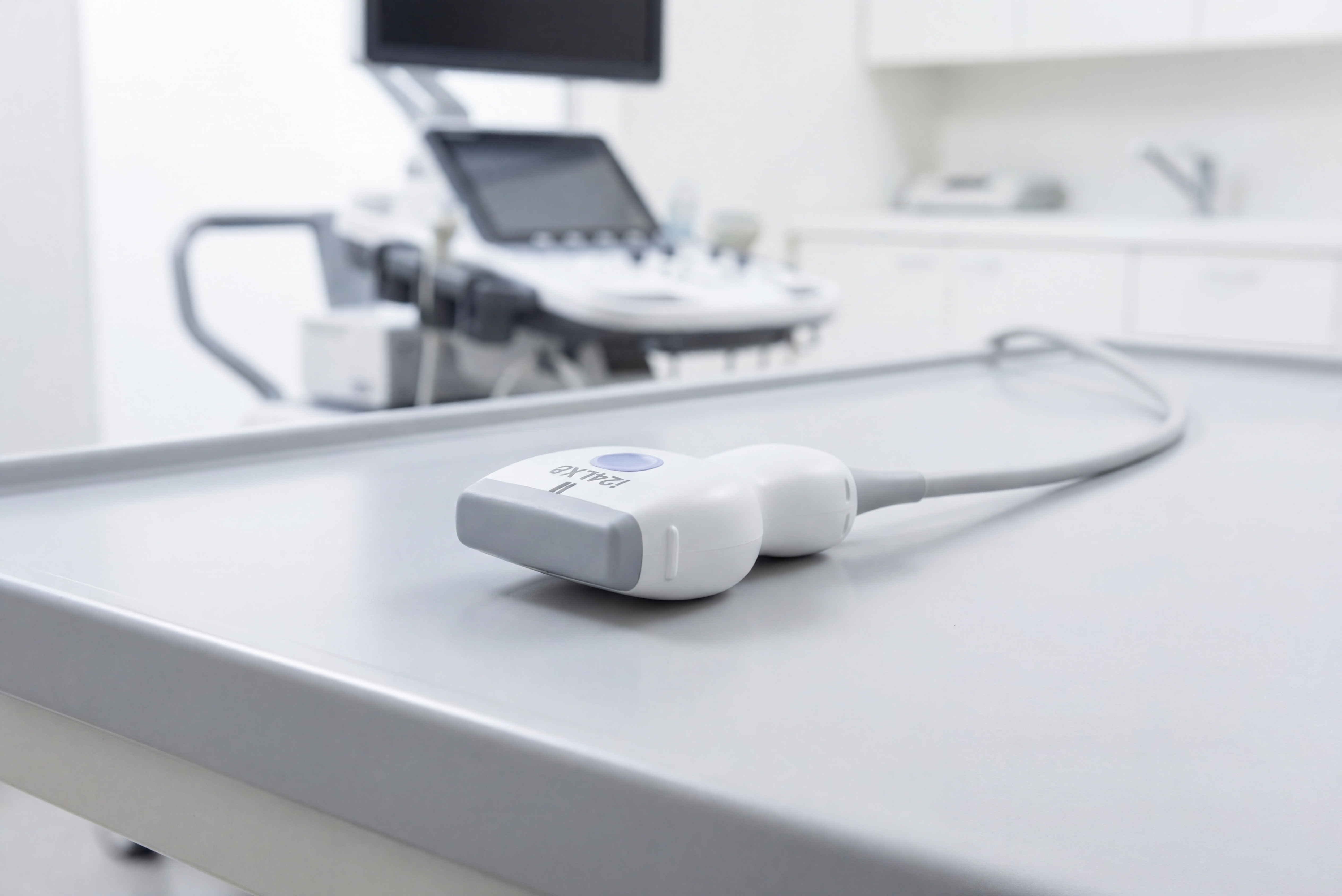
PLI-2004BX (i24LX8) by Toshiba America Medical Systems (TAMS)
Product Overview
Key highlights
Looking for a Toshiba PLI-2004BX? This high-frequency (up to 24.0 MHz) Linear 3D/4D ultrasound probe delivers elite resolution for MSK and Small Parts. Compatible with Canon Aplio 600/700/800/900 systems. Enhance your diagnostic precision today.
Toshiba PLI-2004BX Linear 3D/4D Ultrasound Probe – High-Frequency MSK Transducer
Looking for superior resolution for superficial imaging? The Toshiba PLI-2004BX is a high-end linear 3D/4D ultrasound transducer specifically designed for small parts and musculoskeletal (MSK) diagnostics. Compatible with the advanced Canon/Toshiba Aplio i-series, this probe sets the standard for near-field visualization.
Key Benefits of the Toshiba PLI-2004BX
· Next-Gen 3D/4D Imaging: Provides volumetric linear data, offering a comprehensive view of complex anatomical structures that standard 2D probes miss.
· Ultra-High Frequency: Operates up to 24.0 MHz, delivering the precision needed for fine detail in tendons, ligaments, and nerves.
· Wide Field of View: The 41 mm footprint ensures broad coverage of superficial areas, reducing scanning time while maintaining image consistency.
· Seamless Integration: Fully optimized for Aplio 600, 700, 800, and 900 systems (i24LX8 technology).
Technical Specifications & Compatibility
· FeatureDetailsModel: Toshiba / Canon PLI-2004BX
· Probe Type: Linear 3D / 4D
· Frequency Range: 8.8 MHz - 24.0 MHz
· Footprint: 41 mm
· Applications: MSK, Small Parts, Vascular, Superficial Soft Tissue
· System Support: Aplio i-Series (600/700/800/900)
Clinical Applications
The PLI-2004BX is the preferred choice for specialists focusing on:
1. Musculoskeletal (MSK): High-definition imaging of ligaments, joints, and sports-related injuries.
2. Small Parts: Detailed evaluation of the thyroid, testes, and breasts.
3. Dermatology: Assessing superficial skin layers and soft tissue masses.
Why Choose the Toshiba PLI-2004BX?
When precision is non-negotiable, the PLI-2004BX delivers. Whether you are replacing an existing probe or expanding your clinic's diagnostic capabilities, this i24LX8 series transducer provides the "gold standard" in superficial imaging.
Pro Tip: Before purchasing, ensure your Aplio system has the latest software enabled for 3D/4D volumetric rendering to unlock the full potential of this probe.